Products
96 products
Sort by:
96 products


Silver gimlet or Eucalyptus campaspe grows from 3 to 10 metres and has smooth, shiny, silver to coppery bark and twisted stems. It gets its name from its grey green foliage that gives a silver appearance.
Flowering occurs between January and March and the flowers are white. Silver gimlet grows into a beautiful tree that's not too big to be grown along a fence line or as a feature tree.


Eucalyptus crucis, commonly known as silver mallee, is a stunning and resilient small tree or multi-stemmed mallee that brings both beauty and hardiness to your property. With striking silver-blue foliage and reddish 'minnirichi' bark which curls exposing green bark underneath, adding a distinctive, ornamental touch. It's aromatic leaves, graceful form and large creamy/yellow flowers attract birds and pollinators enhancing biodiversity.
Only growing up to 8 metres it can be grown in any sized garden.


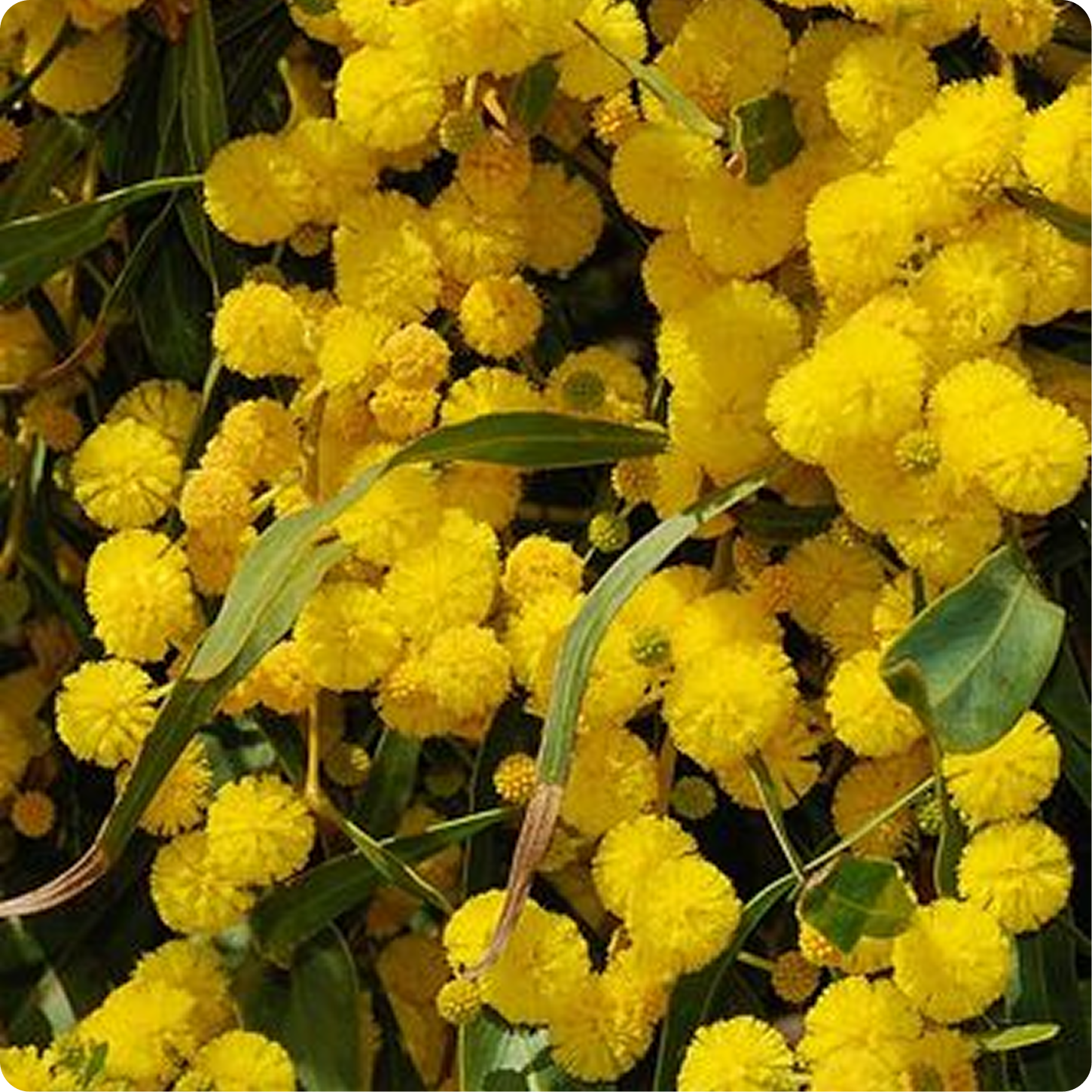
Acacia lasiocalyx, commonly known as the silver wattle is an open often weeping large shrub, growing into an attractive tree of 5 meters. It has long thin leaf-like foliage showing its weeping character. It has a large amount of flowers from late winter into spring with yellow wattle flowers.
The Silver wattle would work well in a screen habitat corridor, providing shelter and resources for birds and insects.


Kunzea glabrescens, also known as spearwood, is a stunning and hardy medium shrub (2-4m) that makes a striking addition to your garden. With its fine, aromatic foliage and soft yellow bottlebrush like flowers that bloom in spring, it attracts pollinators like bees and butterflies.
Naturally found in the Perth and surrounding areas, it thrives in well drained soils and adapts well to coastal or inland conditions.
Ideal for native landscaping, screening, erosion control, Kunzea glabrescens offers low-maintenance beauty and ecological benefits.


The Swamp Paperbark, Melaleuca rhaphiophylla, is a fast growing native tree growing up to 10 metres. It has an attractive weeping habit, papery bark and lush, fragrant green foliage.
In spring and early summer it produces masses of creamy-white bottlebrush-like flowers that attract bees, birds and other pollinators. It also provides habitat and shelter for larger animals.
Naturally occurring along water courses and in seasonally wet areas, it thrives in moist to waterlogged soils but is adaptable once established. Great for screening, shelter belts, revegitation and in wet depressions.


Casuarina obesa, or Swamp She-oak, is renowned for its resilience, thrives in various soil types and winter wet conditions, it features slender, weeping branchlets that resemble pine needles, while it's true leaves are reduced to tiny scales arranged in rings along the branchlets. Typically grows from 2 - 8 metres.
Ideal for screening and windbreaks, its adaptability to both drought and flooding makes it a reliable choice for challenging environments. It develops a dense, graceful habit that provides excellent habitat and shelter for wildlife.
Its rough, fissured bark and scale-like leaves provide a striking visual appeal, and whispering in the wind, while its small woody cones add a touch of nature's charm.


Add a splash of colour to your garden with the Tall Labichea (Labichea lanceolata). This upright, open shrub boasts yellow flowers with red or orange markings, creating a vibrant display in late winter to early spring. Its slender, arching branches and bright green, lanceolate leaves provide habitat and shelter for insects.
The Tall Labichea excels in erosion control, thanks to its strong root system and adaptable growth habit. Perfect for a variety of soil textures, from sandy to loamy, this plant thrives in well-drained soils and likes full and part sun. Its robust nature makes it a valuable addition to bush gardens, slopes, and restoration projects.


Beyond its beauty, the Tall Saltbush offers a feast for honeyeaters with its red berries.
Perfect for under-canopy growth, the Tall Saltbush shows remarkable adaptability. It flourishes beneath taller trees. This low-maintenance shrub is well-suited to erosion control, habitat restoration, low-water landscaping while supporting local wildlife.


Acacia hemiteles, commonly know as the Tan wattle is a 2 metre tall multi-branched shrub with lovely long green grey leaves. With lots of brown flower buds in late winter which open into yellow balls, followed by curly seed pods. The local birds and insects love this shrub! Fast growing and perfect for diversity on your property.


Melaleuca cardiophylla, also known as Tangling Melaleuca, is a charming and resilient WA native shrub that brings year-round interest to any garden. With its slightly prickly, heart shaped foliage and profusion of creamy white flowers in spring and summer, it creates a visual display while attracting birds, bees and beneficial insects.
Naturally suited to sandy and gravely soils, this hardy species thrives in full sun and tolerates drought, coastal conditions, and light frosts. It is a dense, spreading shrub growing to 2m.
Perfect for native gardens, screening, hedging and habitat for local fauna.


Hakea varia, varied-leaved Hakea, is a striking dense shrub known for it's naturally varied foliage, it develops dense, prickly branches covered in leave that can range from needle-like to broader lobed forms. It grows 1-3 metres and because of it's prickly character it makes great habitat for birds and insects.
During winter and spring, clusters of small cream flowers appear along the stems, attracting birds and bees.
It has a wide natural distribution from Geraldton to Esperance, likes sand, clay, loam and gravelly soils, and also winter wet situations. Shade tolerant.


A perennial (grows back for several years) native grass reaching 60cm tall. Lovely long leaves and purple seed heads flowering often. Native grasses are an important part of the food chain for native animals and insects, they provide direct food, shelter, life cycle support and host plants.
If one grass sets seed, more grasses will grow every year.


Eucalyptus wandoo is a long-lived and iconic WA tree renowned for its smooth, pale grey to white bark and strong, durable hardwood. Reaching heights of 3 to 25 metres, it typically grows in the SW wheatbelt and woodland regions, where it plays a crucial ecological role by providing habitat and food for birds such as the black cockatoos.
It has glossy green leaves and creamy white flowers, which appear in summer, providing a life line to bees through our hot summers.


Eucalyptus websteriana, commonly known as Webster's mallee, is a small tree growing to around 4 metres. It features a graceful, canopy of rounded heart shaped leaves and 'minni richi' bark, a peeling bark that reveals new bark underneath. In spring it produces clusters of yellow flowers that attract bees, birds and other pollinators to your garden.
Eucalyptus websteriana is hardy so can handle dry conditions and poor soils, and the perfect tree for small spaces.


Hypocalymma angustifolium, or white myrtle is a multi-stemmed, fine leaved dense shrub growing up to 1.5 metres. It should be positioned in a part shade location protected from sun and wind.
It has prolific white or pink flowers along it's stems from June to October, attracting birds and bees.
It naturally found from Geraldton across the south west corner to Albany, in sandy, clayey, peaty soils, and can be in a winter wet area.
Showing 96/96
Our community @wildbosky